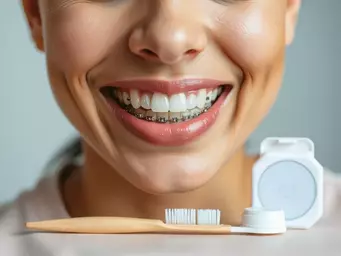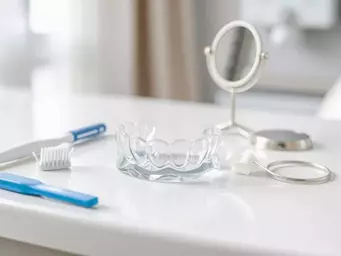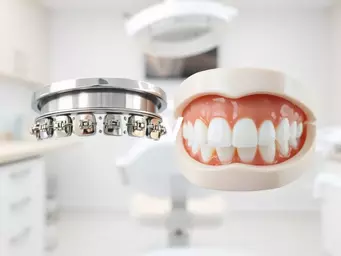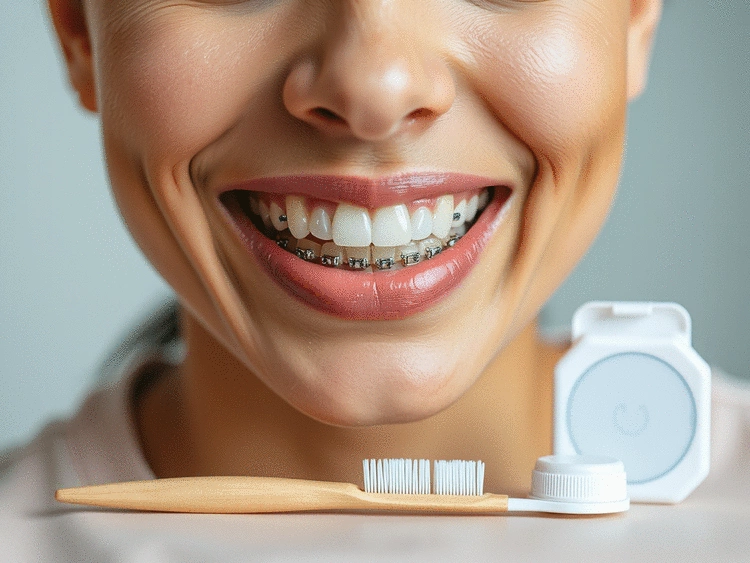

Have you ever considered how much your daily habits impact your orthodontic journey? Proper care is essential to achieving that perfect smile you've always wanted. Let's explore the key practices that make all the difference in maintaining oral health during orthodontic treatment.
What You Will Learn
- Brushing regularly, especially after meals, is crucial for preventing cavities and maintaining oral hygiene with braces.
- Using a soft-bristled toothbrush and fluoride toothpaste can significantly enhance your dental care routine.
- Flossing effectively with braces is essential to remove trapped food particles and plaque between your teeth.
- Incorporating mouthwash into your routine can provide additional protection against cavities and gum disease.
- Wearing retainers as directed after treatment is vital for preserving the alignment of your teeth.
- Regular dental checkups help monitor your progress and address potential issues early.
Key Pillars of Orthodontic Care
Maintaining a healthy and aligned smile involves consistent effort in three core areas, both during treatment and long-term:
Daily Oral Hygiene
Consistent brushing, flossing, and mouthwash use are critical for preventing cavities and gum disease while wearing braces or aligners.
Retainer Adherence
Wearing retainers as prescribed is essential to maintain tooth alignment and prevent relapse after orthodontic treatment concludes.
Regular Checkups
Consistent visits to the orthodontist ensure treatment progresses as planned and any issues are addressed promptly.
Essential Daily Care for Braces and Aligners
Taking care of your braces and aligners is crucial for achieving that perfect smile you’ve been dreaming of! As someone who deeply cares about orthodontic health, I’ve seen firsthand how proper daily care can make a significant difference in both your treatment experience and outcomes. In this section, we will explore essential oral hygiene practices that are vital during your orthodontic journey.
Understanding the importance of maintaining oral hygiene during orthodontic treatment cannot be overstated. Braces and aligners can trap food particles and plaque, making it easier for cavities and gum disease to develop. By adopting a consistent care routine, you can keep your mouth healthy and your smile on track!
Understanding the Importance of Oral Hygiene During Orthodontic Treatment
When you wear braces or aligners, your mouth requires a bit more attention. Not only do you need to clean your teeth, but you also have to ensure that all parts of your braces or aligners are properly maintained. Neglecting your oral hygiene can lead to unwanted complications, such as discoloration and extended treatment times.
- Brush your teeth at least twice a day, especially after meals.
- Use an interdental brush for thorough cleaning around brackets.
- Rinse with mouthwash to reach areas your brush may miss.
By following these practices, you not only keep your teeth and gums healthy but also ensure that your orthodontic treatment progresses as planned. For more information on what to expect during treatment, the American Association of Orthodontists offers comprehensive resources on living with braces.
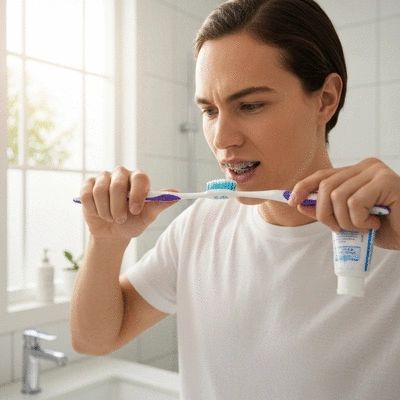
Brushing Techniques for Braces: Step-by-Step Guide
Now that we’ve covered the importance of oral hygiene, let’s get into the nitty-gritty of how to brush effectively with braces. It’s all about technique! A proper brushing routine will help prevent cavities and keep your braces in great shape.
Choosing the Right Toothbrush and Toothpaste
Choosing the right tools is essential! A soft-bristled toothbrush is usually recommended for those with braces. This helps to avoid damaging your gums and braces while still being effective. Look for toothpaste that contains fluoride, which is excellent for fighting cavities during orthodontic treatment.
- Use a soft-bristle toothbrush to protect your gums.
- Select fluoride toothpaste for better cavity protection.
- Consider a toothbrush designed specifically for braces.
Having the right equipment can make a world of difference in your dental care routine!
Effective Brushing Strategy to Avoid Cavities
When it comes to brushing with braces, the technique is key. You want to make sure to cover all areas effectively. Here’s a simple step-by-step guide:
- Start by rinsing your mouth with water to remove loose debris.
- Angle your toothbrush at 45 degrees towards the gums and brush gently.
- Focus on each bracket and wire, spending extra time on the areas where plaque tends to build up.
- Finish by brushing your tongue to remove bacteria and freshen your breath.
Following this strategy will help maintain your oral health and ensure that your treatment stays on track!
Flossing with Braces: How to Do It Right
Flossing might seem daunting with braces, but it’s an essential part of your oral care routine. Regular flossing helps remove food particles and plaque from between your teeth and around the brackets, preventing cavities and gum disease. Even for those with clear aligners, proper cleaning is critical, and specialized tools can make the process easier.
Best Tools for Flossing Around Braces
To make flossing easier, consider using specialized tools designed for orthodontic care. Here are some recommended options:
- Floss threaders: These make it easy to thread floss behind the wires.
- Orthodontic floss: A thicker floss designed to clean around braces.
- Interdental brushes: Perfect for reaching tight spaces and removing plaque.
Using the right tools can take the stress out of flossing and make it more effective!
Step-by-Step Flossing Instructions
Here’s a quick guide on how to floss effectively with braces:
- Cut a piece of floss about 18 inches long.
- Use a floss threader to navigate between the brackets and wires.
- Gently slide the floss between your teeth, wrapping it around both sides of the bracket.
- Move the floss up and down to clean the tooth surfaces.
Making flossing a daily habit will help keep your smile bright and healthy!
The Role of Mouthwash in Orthodontic Care
Now, let’s not forget about mouthwash! Incorporating it into your daily routine can provide an added layer of protection for your teeth and gums. It helps rinse away food particles and bacteria that brushing and flossing might miss.
Choosing the Right Mouthwash for Braces
When selecting a mouthwash, look for one that is alcohol-free and contains fluoride. This will help to protect your enamel and soothe your gums. Here are some options to consider:
- Fluoride mouthwash for cavity prevention.
- Antimicrobial mouthwash to reduce plaque and gingivitis.
Choosing the right mouthwash can make a significant difference in your oral hygiene routine!
How Mouthwash Aids in Oral Hygiene
Using mouthwash can be a game-changer in maintaining optimal oral health. It helps with:
- Reducing bad breath.
- Strengthening enamel with fluoride.
- Reaching areas that brushing and flossing may not cover.
Make mouthwash a part of your daily routine to support your orthodontic treatment and keep your smile shining!
Engage with Us!
We want to hear from you! What challenges have you faced while maintaining your braces or aligners? Share your experiences or tips with us below:
Maintaining Long-Term Results After Orthodontic Treatment
Congratulations on completing your orthodontic journey! Now comes the essential part: maintaining those beautiful results. Your hard work deserves to shine, and using retainers correctly plays a big role in keeping your smile aligned for years to come.
At Fort Myers Orthodontic Insights, I’ve seen many patients wonder about their retainers after treatment. It’s important to understand how to integrate them into your daily routine effectively. Here’s what you need to know:
The Role of Retainers Post-Treatment: Best Practices
Retainers are crucial for preserving the alignment achieved during your orthodontic treatment. They help prevent your teeth from shifting back to their original positions. But you might be asking, “How often should I wear my retainer?” Let’s dive into some best practices!
- Wear your retainer as directed by your orthodontist, typically full-time for the first few months, then as needed.
- Always clean your retainer daily to avoid buildup and bad odors.
- Store your retainer in its case when not in use to protect it from damage.
Following these tips can significantly help in maintaining that perfect smile! Regular retainer wear is vital, especially in the early stages after treatment. Remember, consistency is key!
How Often Should You Wear Your Retainer?
Initially, you’ll need to wear your retainer all day, except when eating or brushing your teeth. Gradually, your orthodontist may suggest transitioning to night-time wear. This might feel like a change, but it’s essential to keep your teeth in their new positions! Research on orthodontic retention highlights the importance of consistent wear to prevent relapse.

Tips for Preventing Relapse and Maintaining Alignment
Here are some strategies that can help keep your smile in check:
- Set reminders on your phone to ensure you wear your retainer consistently.
- Avoid chewing on hard objects that could damage your teeth.
- Keep up with routine dental checkups to monitor your progress.
By following these tips, you’ll be investing in the longevity of your orthodontic results! Your smile deserves ongoing care, and I’m here to help you every step of the way.
Staying Consistent: The Key to Successful Orthodontic Care
As you transition into this new stage of care, establishing a daily routine is crucial. Consistency will set the foundation for long-term success. Let’s explore how to create a routine that works for you!
Creating a Daily Routine for Braces and Aligners Maintenance
A structured daily routine can simplify your orthodontic care. Here’s a quick checklist to keep you on track:
- Brush and floss after every meal.
- Wear your retainer as instructed.
- Use mouthwash to enhance your oral hygiene.
Making these steps a habit will help you maintain your smile and promote overall oral health!
Importance of Regular Dental Checkups During Orthodontic Treatment
Regular dental visits are not just a formality—they are essential to your orthodontic success. They allow your orthodontist to monitor your progress and address any potential issues before they become significant problems.
How Checkups Support Your Orthodontic Journey
During checkups, your orthodontist will:
- Assess the fit and effectiveness of your retainer.
- Make necessary adjustments to your treatment plan.
- Provide valuable insights and tips tailored to your individual needs.
These visits are your opportunity to ask questions and clarify any uncertainties you might have. Engaging with your orthodontist is key to a successful outcome!
What to Expect During Your Next Appointment
At your next appointment, you can expect a thorough examination of your oral health and alignment. Your orthodontist will check the condition of your retainer and discuss any adjustments needed. Don’t hesitate to voice any concerns during this time—it’s all part of the process!
Patient Education: Understanding Your Orthodontic Treatment Plan
Being informed about your orthodontic care can empower you to take charge of your dental health. Understanding your treatment plan is key to achieving the best results.
Key Components of an Effective Care Routine
Your care routine should include:
- Proper oral hygiene practices: brushing, flossing, and using mouthwash.
- Regular wear of retainers as prescribed.
- Consistent follow-up appointments with your orthodontist.
By adhering to this routine and staying engaged in your care, you’re setting yourself up for a lifetime of smiles!
Empowering Your Orthodontic Experience: Engage and Share
Your experience matters! Sharing insights and stories can help others navigate their orthodontic journeys. At Fort Myers Orthodontic Insights, we encourage a community where patients can learn from one another.
Patient Testimonials: Real-Life Experiences with Braces and Aligners
Hearing about others' successes can be incredibly motivating! Share your journey, and let’s inspire each other to maintain those smiles!
Expert Insights: Quotes from Orthodontists
Learning from the experts can provide valuable perspectives. Consider engaging with local orthodontists for tips and advice tailored to your specific needs.
FAQs About Braces and Aligners: Common Questions Answered
Have questions? You’re not alone! Check out our FAQ section for answers to the most common queries that arise during orthodontic treatment.
Frequently Asked Questions (FAQs)
Why is daily oral hygiene crucial during orthodontic treatment?
Daily oral hygiene is crucial because braces and aligners can trap food particles and plaque, increasing the risk of cavities, gum disease, and discoloration. Consistent brushing, flossing, and mouthwash use help prevent these issues and ensure your treatment progresses smoothly.
What kind of toothbrush and toothpaste should I use with braces?
It is recommended to use a soft-bristled toothbrush to protect your gums and braces. Fluoride toothpaste is also highly recommended to fight cavities, which are more common during orthodontic treatment.
How can I effectively floss with braces?
Flossing with braces can be made easier with specialized tools like floss threaders or orthodontic floss. Interdental brushes are also effective for cleaning tight spaces around brackets. Thread the floss carefully behind the wires and gently clean between your teeth.
What is the role of mouthwash in orthodontic care?
Mouthwash provides an added layer of protection by rinsing away food particles and bacteria that brushing and flossing might miss. Using an alcohol-free, fluoride-containing mouthwash can help reduce bad breath, strengthen enamel, and protect against gum disease.
How often should I wear my retainer after my orthodontic treatment is complete?
Initially, you will likely need to wear your retainer all day, every day, removing it only for eating and brushing. Your orthodontist will gradually advise you to transition to night-time wear. It is crucial to follow their specific instructions to prevent your teeth from shifting back.
Why are regular dental checkups important during orthodontic treatment?
Regular dental checkups allow your orthodontist to monitor your progress, make necessary adjustments to your treatment plan, and address any potential issues early on. These visits are essential for ensuring the treatment stays on track and for maintaining overall oral health.
Recap of Key Points
Here is a quick recap of the important points discussed in the article:
- Maintain oral hygiene by brushing twice a day, especially after meals, and using an interdental brush.
- Choose a soft-bristle toothbrush and fluoride toothpaste for effective cleaning.
- Floss regularly with the right tools, such as floss threaders and orthodontic floss, to prevent cavities.
- Incorporate mouthwash into your routine for added protection against bacteria.
- Wear retainers as directed after treatment to maintain alignment and avoid relapse.
- Establish a consistent daily routine that includes brushing, flossing, and using mouthwash.
- Attend regular dental checkups to monitor progress and make necessary adjustments to your treatment plan.