
Curious about how metal braces can change your smile? You're not alone! Many people are discovering the transformative power of these orthodontic tools, which have helped countless individuals achieve straighter teeth over the years. Let's explore the essential insights on metal braces treatment to guide you on your journey.
What You Will Learn
- Metal braces consist of brackets, wires, and bands that work together to shift your teeth into alignment.
- They are durable, effective, and cost-effective, making them a popular choice for various dental issues.
- Common misconceptions include that metal braces are only for kids or that they are excessively painful—many adults use them and discomfort is manageable.
- Dietary adjustments, such as avoiding hard and sticky foods, are essential for maintaining your braces during treatment.
- Good oral hygiene practices, including brushing after meals and using antibacterial mouthwash, are crucial for braces wearers.
- Post-braces care includes wearing retainers to preserve your new smile and understanding insurance and cost considerations for treatment.
Step-by-Step Metal Braces Treatment Timeline
Understanding the journey from consultation to a perfect smile, including key stages and what to expect.
Step 1: Initial Consultation & Planning
Your first visit involves an examination, X-rays, and digital scans to create a personalized treatment plan.
Step 2: Braces Placement
Brackets are bonded to your teeth and archwires are attached. This appointment is typically pain-free.
Step 3: Regular Adjustments
Monthly visits for wire changes and adjustments to keep teeth moving steadily toward alignment.
Step 4: Active Treatment Phase
Typically 18-36 months, depending on the complexity of your case and adherence to care instructions.
Step 5: Braces Removal
Once desired alignment is achieved, braces are removed, revealing your new, straight smile.
Step 6: Retention Phase (Lifelong)
Wearing a retainer is crucial post-braces to maintain results and prevent teeth from shifting back.
Understanding Metal Braces Treatment: Overview for Fort Myers Patients
Are you curious about metal braces and how they can transform your smile? As a passionate orthodontic expert, I’m excited to share insights that will help you understand what metal braces are and how they work for patients in Fort Myers. These effective tools have been helping people achieve straighter teeth for decades!
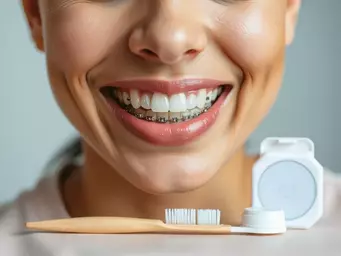
Metal braces consist of brackets, wires, and bands that work together to gradually shift your teeth into the desired position. The brackets are attached to the front of your teeth, while the wires connect them, applying gentle pressure to create movement. This orthodontic treatment is not only effective but also suitable for a wide range of dental issues, making it a popular choice among patients.
What Are Metal Braces and How Do They Work?
Metal braces are the traditional orthodontic devices that consist of metal brackets, archwires, and elastic bands. They work by applying continuous pressure to your teeth over time, helping them move into the correct alignment. Here’s how they function:
- Brackets: These are bonded to each tooth and hold the archwire in place.
- Archwires: The wires connect the brackets and guide the teeth into position.
- Elastic Bands: These bands help to hold the archwire in place and can come in various colors for a personalized touch!
With regular visits to your orthodontist for adjustments, your braces will effectively guide your teeth into alignment over the course of treatment. It's an exciting journey that ultimately leads to a beautiful smile!
Why Choose Metal Braces? Benefits and Considerations
When considering your orthodontic options, it’s important to weigh the benefits and any considerations of metal braces. Here’s why many patients in Fort Myers opt for this choice:
- Durability: Metal braces are strong and can withstand the daily wear and tear of eating and drinking. Research into recent orthodontic advancements confirms their robust nature and effectiveness.
- Effectiveness: They are highly effective for treating a wide range of dental issues, including complex cases. The Journal of Pakistan Medical Dentists highlights how modern orthodontics, including traditional braces, continuously improve patient outcomes.
- Cost-Effective: Compared to some other options, metal braces can be more affordable, especially for comprehensive treatment.
However, keep in mind that they may be more visible than other types of braces. If aesthetics are a significant concern for you, it’s worth exploring alternatives, but remember that the results achieved with metal braces can be life-changing!
Common Misconceptions About Metal Braces
Let’s clear up some common misconceptions about metal braces that might be holding you back from seeking treatment:
- They are only for kids: Many adults choose metal braces, and they can be effective at any age!
- They are painful: While you may experience some discomfort after adjustments, pain management tips can help ease any discomfort. A study on orthodontic pain management provides insights into coping strategies.
- Braces are just for cosmetic reasons: Metal braces also improve oral health by correcting bite issues and aligning teeth.
My goal at Fort Myers Orthodontic Insights is to help you make informed decisions about your smile. If you have any questions or concerns, don’t hesitate to reach out! Together, we can ensure you have a smooth and comfortable orthodontic journey.
Step-by-Step Timeline of Metal Braces Treatment
Now that you have a solid understanding of metal braces, let’s dive into the step-by-step timeline of treatment. Knowing what to expect can reduce anxiety and help you prepare for each phase of your journey.
We Want to Hear From You!
What concerns or questions do you have about metal braces? Whether it's about the treatment process, dietary restrictions, or aftercare, share your thoughts below:
Preparing for Your Metal Braces Journey
As you get ready for your metal braces journey, it's important to understand that this experience will bring some changes to your daily routine. Managing these lifestyle changes will make your transition smoother and help you adapt more easily to life with braces. Let’s break down the key aspects you need to know.
Managing Lifestyle Changes During Treatment
First things first: your diet will likely need some adjustments. While braces are excellent for achieving that beautiful smile, they can also change how you enjoy your favorite foods! Here’s a quick look at some dietary adjustments you’ll want to consider:
- **Embrace softer foods** like yogurt, smoothies, mashed potatoes, and cooked vegetables.
- **Avoid hard foods** such as nuts, popcorn, and raw carrots that can damage your braces.
- **Limit sugary snacks** to prevent cavities, which can complicate your treatment.

Taking these steps will not only help your braces stay intact but also promote better oral health during your treatment.
Food Restrictions for Braces Wearers
Knowing what foods to avoid is crucial for maintaining your braces throughout your treatment. Here’s a list of common items to steer clear of:
- Hard candies and gum
- Chewy foods like bagels and tough cuts of meat
- Sticky treats such as caramel or taffy
- Whole fruits that you would usually bite into, like apples or pears
While it may feel restrictive at first, many delicious options remain available! With some creativity, you can still enjoy a variety of meals while keeping your braces safe.
Oral Hygiene Tips for Braces Wearers
Keeping your teeth and braces clean is vital for preventing plaque buildup and ensuring a smoother treatment process. Here are some practical oral hygiene tips specifically for braces wearers:
- Brush your teeth after every meal, using a soft-bristled toothbrush.
- Floss daily with a floss threader or orthodontic flosser designed for braces.
- Use an antibacterial mouthwash to help reduce plaque and bad breath.
Incorporating these habits into your routine will help you maintain your oral health and keep your braces in excellent shape during your treatment!
Common Questions and Concerns Addressed
As you embark on this braces journey, you might have a few questions or concerns floating around in your mind. Don't worry; you're not alone! Let’s tackle some common ones together.
FAQs About Metal Braces
- Q: What are metal braces made of?
- A: Metal braces are typically made of high-grade stainless steel, consisting of brackets, archwires, and elastic bands.
- Q: How long does metal braces treatment usually take?
- A: The active treatment phase typically lasts between 18-36 months, depending on the complexity of your case and your adherence to care instructions.
- Q: Are metal braces only for teenagers?
- A: No, metal braces are effective for patients of all ages, including adults, to correct a wide range of dental issues.
- Q: What foods should I avoid with metal braces?
- A: You should avoid hard, chewy, and sticky foods like nuts, popcorn, caramel, and tough meats to prevent damage to your braces.
- Q: Is the braces placement procedure painful?
- A: The actual placement of braces is usually pain-free. You might experience some discomfort or soreness in the days following placement and after adjustments as your teeth begin to shift.
- Q: What happens after my braces are removed?
- A: After braces removal, you will be fitted with a retainer, which is crucial for maintaining your new tooth alignment and preventing your teeth from shifting back.
What Should You Expect Post-Braces Removal?
Once your braces are removed, you'll likely feel a rush of excitement! However, it’s important to know what comes next. You can expect some initial sensitivity and a newfound smoothness in your mouth. Your orthodontist will fit you with retainers to ensure your teeth maintain their new positions. Remember, this is a crucial step in preserving your beautiful smile!
Insurance and Cost Considerations for Fort Myers Patients
Navigating insurance and costs can be daunting, but I'm here to help clarify some aspects. Many insurance plans include orthodontic coverage, so it’s worth checking with your provider about your specific benefits. For those in Fort Myers, knowing the local landscape can help you make informed choices.
Understanding the Cost of Braces in Fort Myers
The cost of braces varies depending on your specific treatment plan. Factors like the duration of treatment and the complexity of your case can affect the overall price. On average, patients in Fort Myers can expect to pay between $3,000 and $7,000 for metal braces. It's always a good idea to discuss payment options with your orthodontist to find a plan that works for you!

Next Steps: Your Path to a Confident Smile
Now that you have a better understanding of what to expect on your journey with metal braces, it's time to take the next steps! Here’s how you can get started:
Scheduling Your Initial Consultation Today
Ready to take the plunge? Scheduling your initial consultation is your first step towards achieving that confident smile. Reach out to your chosen orthodontist to discuss your options and get personalized recommendations based on your needs.
Contacting Local Orthodontic Practices for More Information
If you have more questions or need specific information about braces, don't hesitate to contact local orthodontic practices. They’re there to support you every step of the way!
Follow-Up Visits: What to Expect After Your Braces Are On
Finally, be prepared for regular follow-up visits after getting your braces on. These appointments will help monitor your progress and make any necessary adjustments. Consistency is key to achieving the smile of your dreams!
Recap of Key Points
Here is a quick recap of the important points discussed in the article:
- Metal braces consist of brackets, wires, and bands that work together to gradually shift your teeth into the desired position.
- They are durable, effective for a wide range of dental issues, and often more cost-effective than alternative treatments.
- Common misconceptions include that braces are only for kids, that they are painful, and that they are solely for cosmetic reasons.
- Dietary adjustments are crucial during treatment—embrace softer foods and avoid hard, sticky, and sugary snacks.
- Oral hygiene is vital; brush after every meal, floss daily, and use antibacterial mouthwash to maintain oral health.
- Regular follow-up visits are essential for monitoring progress and making adjustments to ensure successful treatment.