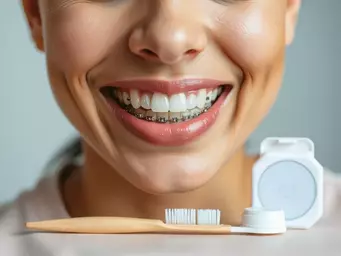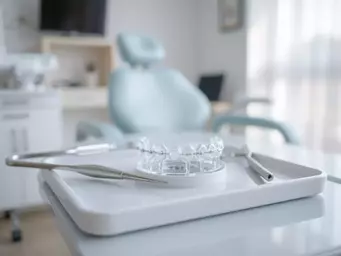

Ready to uncover the secret behind achieving a stunning smile? Traditional metal braces have been a trusted ally in orthodontics for decades, helping countless individuals align their teeth effectively. Let’s delve into the essentials of how these braces work and what you can expect during your orthodontic journey.
What You Will Learn
- Traditional metal braces consist of brackets, wires, and bands that work together to align your teeth.
- Regular adjustments by your orthodontist are crucial for maintaining the correct pressure on your teeth and ensuring proper alignment.
- Understanding key orthodontic terms like malocclusion and archwire can enhance your comfort and communication with your orthodontist.
- Post-treatment care, including wearing retainers, is essential to maintain your new smile and prevent teeth from shifting back.
- Managing discomfort during treatment can be achieved with over-the-counter pain relievers and soft foods.
Components of Traditional Metal Braces and Their Role
This visual illustrates the key components that constitute traditional metal braces and their respective functions in the teeth alignment process.
Component 1Brackets
Small squares attached to each tooth, serving as anchors for the archwire.
Component 2Wires
Connect the brackets and apply continuous pressure to gradually shift teeth.
Component 3Bands
Metal rings fitted around back molars, providing secure anchorage for the entire system.
Component 4Elastic Bands (Optional)
Used to apply additional pressure for specific adjustments or to correct bite issues.
Understanding the Fundamentals of Traditional Metal Braces
Are you curious about traditional metal braces? You're not alone! As the most common orthodontic treatment, they have helped millions achieve their dream smiles. Let’s explore what makes these braces tick and how they can transform your alignment journey.
What Are Traditional Metal Braces Made Of?
Components Explained: Brackets, Wires, and Bands
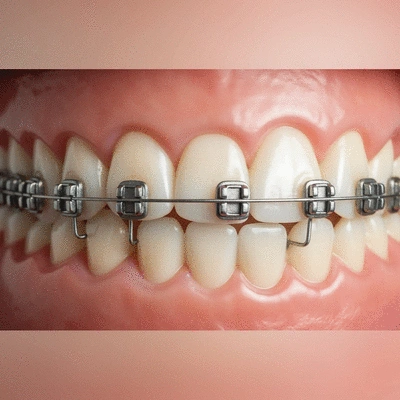
Traditional metal braces consist of several key components that work together to shift your teeth into the right position. Here’s a quick breakdown:
- Brackets: These small squares are attached to each tooth and hold the archwire in place.
- Wires: The wires connect the brackets and apply pressure to move the teeth.
- Bands: These are metal rings that fit around your back molars, anchoring the braces securely.
Each of these components plays a critical role in the alignment process. The brackets act as anchors, the wires guide movement, and the bands ensure stability throughout your treatment. For more information on the effectiveness of traditional braces, you can refer to insights from the American Dental Association (ADA) and National Institutes of Health (NIH).
How Each Component Contributes to Teeth Alignment
Now, let’s dive deeper into how these components work together. The braces apply consistent pressure on your teeth, gradually shifting them into their desired positions. This pressure is applied through the wires, which can be adjusted during your orthodontic visits. Isn’t it fascinating how a small piece of metal can lead to such big changes?
How Do Metal Braces Work? The Mechanics Explained
The Process of Teeth Alignment Over Time
Your journey with metal braces involves several stages. Initially, you might feel some discomfort as your teeth begin to move. But don't worry—this is a sign that the braces are doing their job! Over time, your teeth will shift into alignment, thanks to the continuous pressure applied by the wires.
Regular adjustments are essential, as they allow your orthodontist to tighten the wires and ensure that your teeth are moving as planned. Remember, patience is key during this phase, and with each adjustment, you are one step closer to that gorgeous smile!
Key Terms to Know: Orthodontic Terms Simplified
As you embark on your braces journey, it’s helpful to understand a few common orthodontic terms:
- Malocclusion: This refers to misalignment of teeth when your jaw is closed.
- Archwire: The wire that connects all the brackets, guiding tooth movement.
- Elastic Bands: These are often used to apply additional pressure for specific adjustments.
Knowing these terms can help you feel more informed and comfortable when discussing your treatment with your orthodontist here at Fort Myers Orthodontic Insights.
Your Journey with Metal Braces: What to Expect
Ready to take the plunge? Here’s what you can expect throughout your journey with metal braces!
Initial Consultation and Treatment Planning
What Happens During Your First Visit in Fort Myers?
Your first visit is an exciting step! During this consultation, your orthodontist will assess your teeth and discuss your treatment options. They’ll take photographs, and impressions, and may even use digital imaging to get a clearer picture of your dental alignment.
Don’t hesitate to ask questions—this is your time to understand the process! Your orthodontist will guide you through what the treatment will entail and how long it might take. It’s all about getting you comfortable with the plan ahead!
Creating a Personalized Treatment Plan with Your Orthodontist
Once your evaluation is complete, your orthodontist will create a personalized treatment plan tailored to your needs. This plan is crucial for ensuring effective tooth movement and optimal results. I always emphasize to my clients that open communication is vital—so be sure to voice any concerns or preferences during this stage!
Understanding Orthodontic Records and X-Rays for Comprehensive Planning
Part of the planning process includes taking orthodontic records, which are essential for customizing your treatment. This typically involves:
- X-rays to assess bone structure and root positions
- 3D scans or impressions of your teeth for accurate modeling
- Photographs to document your starting smile and track progress
These records help ensure your orthodontist has all the information needed to create the best treatment strategy for you. It’s like having a roadmap to your new smile!
Adjustment Visits: Keeping Your Treatment on Track
Frequency and What to Expect During Adjustments
Adjustment visits are key to the success of your treatment. Generally, you’ll return to see your orthodontist every 4 to 8 weeks, depending on your specific needs. During these visits, they will adjust the wires and may change your elastics to keep everything on track.
It’s common to feel some pressure after an adjustment, but it typically fades within a few days. Remember, each visit gets you closer to the finish line!
Managing Discomfort After Visits with Patient Comfort Strategies
Managing discomfort is essential during your journey. Here are some strategies to help ease any sensitivity:
- Over-the-counter pain relievers can be effective.
- Soft foods can help minimize discomfort while eating.
- Saltwater rinses can soothe any irritation in your mouth.
Don’t forget to maintain good oral hygiene to keep your mouth healthy during treatment. Your smile deserves the best care!
FAQs About Traditional Metal Braces
- Q: What are the main components of traditional metal braces?
- A: Traditional metal braces consist of brackets attached to each tooth, wires that connect the brackets and apply pressure, and bands placed around back molars for anchorage. Optional elastic bands may also be used for specific adjustments.
- Q: How do metal braces work to align teeth?
- A: Metal braces work by applying continuous, gentle pressure to your teeth through the wires. This pressure gradually shifts the teeth into their desired positions over time. Regular adjustments by your orthodontist ensure the teeth move as planned.
- Q: How often are adjustment visits needed?
- A: Typically, adjustment visits are scheduled every 4 to 8 weeks. During these appointments, the orthodontist will tighten the wires and make necessary changes to continue guiding your teeth into alignment.
- Q: What should I expect in terms of discomfort?
- A: It's common to experience some discomfort or soreness after braces are first placed or after adjustment visits. This usually subsides within a few days. Over-the-counter pain relievers, soft foods, and saltwater rinses can help manage any sensitivity.
- Q: Why are retainers important after braces?
- A: Retainers are crucial for maintaining your newly aligned smile. After braces are removed, teeth have a natural tendency to shift back to their original positions. Wearing retainers as instructed by your orthodontist prevents this relapse, ensuring your hard work results in a lasting beautiful smile.
Post-Treatment Care: Retainers and Beyond
The Role of Retainers After Braces and Their Importance for Retention Phase
Once your braces come off, the next phase begins: wearing retainers! These are essential for maintaining your new smile. Retainers help prevent your teeth from shifting back to their original positions, ensuring all your hard work pays off. The critical role of retainers in post-orthodontic stability is well-documented, with research highlighting their importance in preventing relapse, as discussed in studies available on PMC NCBI.
It’s crucial to wear your retainer as instructed by your orthodontist to achieve the best long-term results. Trust me, it's so worth it to keep that beautiful smile intact!
Long-Term Care for Your New Smile: Maintaining Oral Health and Hygiene
Finally, let’s talk about long-term care for your new smile. It’s important to continue practicing excellent oral hygiene habits:
- Brush your teeth at least twice a day and floss daily.
- Visit your dentist regularly for cleanings and check-ups.
- Consider using a fluoride rinse to strengthen your teeth.

Maintaining a healthy routine will keep your smile looking fantastic for years to come!
Interactive Poll: Your Braces Experience
We want to hear from you! Have you or someone you know gone through the journey of wearing traditional metal braces? Share your thoughts:
Real Patient Experiences: Building Trust and Understanding
Hearing from real patients can make all the difference when considering traditional metal braces. At Fort Myers Orthodontic Insights, we believe that sharing success stories helps demystify the treatment process. Let’s explore some inspiring testimonials from our local community!
Local Patient Testimonials: Success Stories from Fort Myers
Many patients have walked through our doors with unique orthodontic needs, and their experiences reflect the positive impact of metal braces. Here are a few standout stories:
- Emily, 15: Emily was initially nervous about starting her treatment but was thrilled to see her teeth moving into alignment within just a few months.
- Mark, 27: As an adult, Mark thought braces were out of reach for him. After treatment, he gained not only a new smile but also boosted self-confidence in his professional life.
- Sarah, 12: Sarah’s journey resulted in a smile transformation that made her feel more comfortable in school, enhancing her social interactions and friendships.
These stories showcase the transformative power of braces, highlighting how they can change lives, not just smiles. Remember, every journey is unique, and we’re here to support you every step of the way!
Before-and-After Comparisons: Visual Impact of Treatment
To truly appreciate the effectiveness of traditional metal braces, seeing before-and-after photos can be quite enlightening. Many patients share their transition on social media, and it’s inspiring to witness the journey:
- Photos reveal significant shifts in teeth alignment and occlusion.
- Patients often express feelings of newfound confidence and happiness in their smiles.
- Before-and-after comparisons serve as motivation for those starting their treatment.
At Fort Myers Orthodontic Insights, we encourage you to view these transformations and imagine your own possibilities. Visual evidence can ease anxiety and inspire confidence in your decision!
Common Concerns and Solutions: Daily Life with Braces
Living with braces may raise some questions. It’s totally normal to have concerns about daily activities and how your life may change during treatment. Here’s a breakdown of common issues and practical solutions:
Eating, Oral Hygiene, and Sports Activities: Lifestyle Adjustments with Braces
Adjusting to life with braces involves some changes, but it doesn’t mean you need to miss out on your favorite activities! Here are some tips:
- Eating: Stick to soft foods and avoid hard or sticky items that could damage your braces.
- Oral Hygiene: Be diligent with your brushing and flossing routine to keep your teeth and braces clean. Detailed guidance on maintaining oral hygiene with fixed orthodontic appliances, including effective brushing techniques, can be found in resources like those provided by PMC NCBI.
- Sports Activities: Wear a mouthguard to protect your braces during physical activities.
These simple adjustments can help you navigate daily life more comfortably while ensuring your orthodontic treatment stays on track!
Emergency Care: Handling Common Braces Issues and Orthodontic Appliances
Sometimes, life happens, and you may encounter issues with your braces. It’s essential to know how to handle common situations. Here’s a quick list of tips:
- Loose brackets or wires: Use orthodontic wax to cover sharp edges until your next appointment.
- Discomfort: Over-the-counter pain relief can help ease discomfort after adjustments.
- Food stuck in braces: Use dental floss or an interproximal brush to dislodge food particles gently.
These strategies can help you manage minor issues effectively and keep your treatment progressing smoothly!
Getting Started with Your Orthodontic Journey
Now that you have a clearer picture of what to expect with braces, let’s discuss how to kick off your own orthodontic journey!
Next Steps: Preparing for Your Consultation
Your first consultation is an exciting step! To make the most of it, consider preparing some essential questions to ask your orthodontist:
- What treatment options are best for my specific needs?
- How long will my treatment take?
- What can I expect in terms of maintenance and care during treatment?
Being prepared will help you feel more confident and informed during your visit!
Call to Action: Schedule Your Consultation Today
If you’re ready to take the next step toward a beautiful smile, I encourage you to schedule your consultation today! At Fort Myers Orthodontic Insights, we’re dedicated to guiding you through your orthodontic journey.
Contact Information for Local Fort Myers Orthodontists to Begin Your Dental Treatment
Don’t hesitate to reach out! You can contact us at (239) 555-0199 or visit our website for more information on scheduling your appointment. Let’s start this journey together!
Recap of Key Points
Here is a quick recap of the important points discussed in the article:
- Components of Metal Braces: Traditional metal braces consist of brackets, wires, and bands that work together to move teeth into alignment.
- Adjustment Visits: Regular adjustments every 4 to 8 weeks are essential to ensure that teeth are moving as planned and to manage discomfort.
- Post-Treatment Care: Wearing retainers after braces is crucial to maintain your new smile and prevent teeth from shifting back.
- Oral Hygiene: Maintaining excellent oral hygiene throughout your treatment is vital for healthy teeth and gums.
- Patient Experiences: Real patient testimonials highlight the positive impact of braces on confidence and self-esteem.